
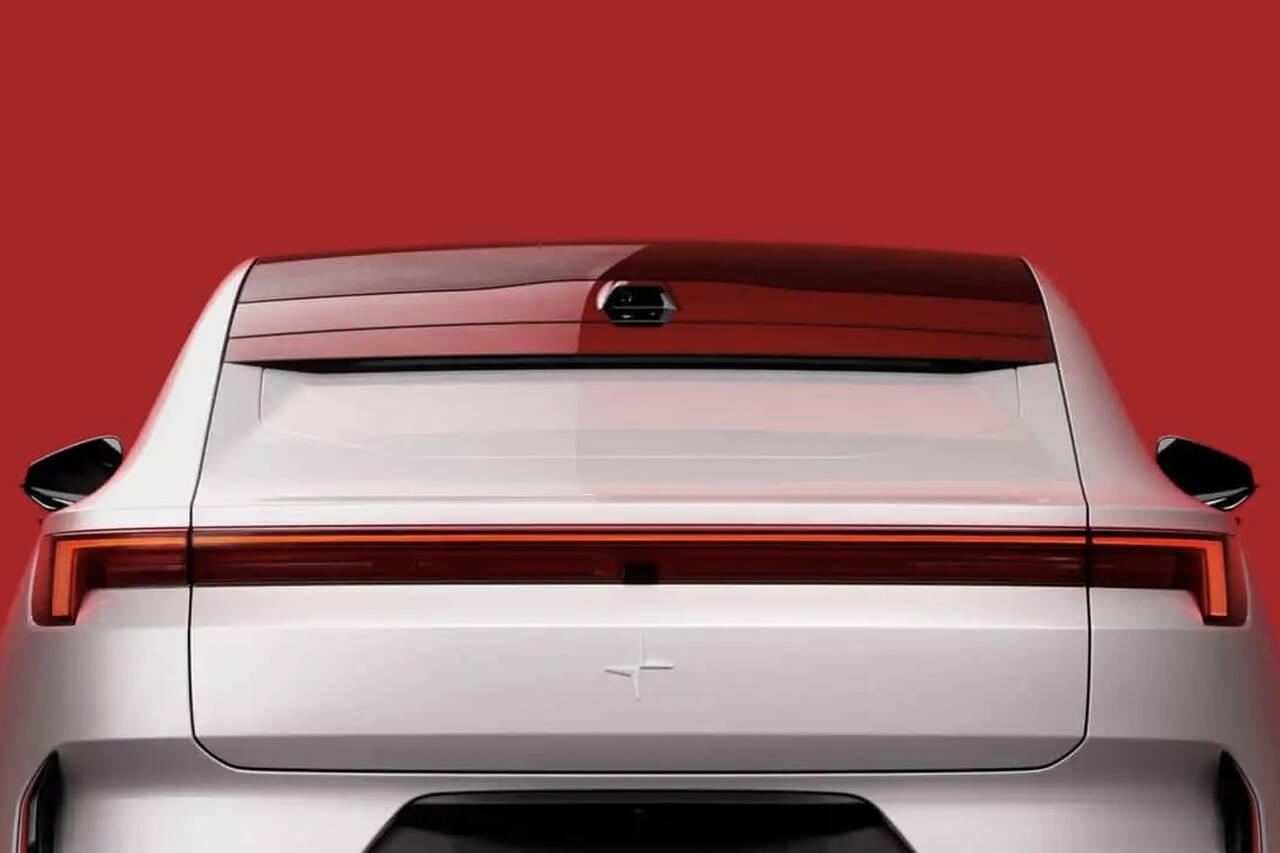
A growing automotive trend appears to involve car manufacturers leaving rear windows behind in their new vehicles.
This trend has been observed among several automakers, but Polestar seems to have been the pioneer in this area. According to the website Motor 1, the Polestar 4 is the first production car to fully commit to this idea.
At the rear, it is clear that the vehicle has no rear window and not even a hidden opening. Instead, it features a large wide-angle HD camera that feeds a live image to the digital rearview mirror.
Without a rear window, designers can stretch the roofline, improve aerodynamics, and create more space for rear passengers. And, although it may seem counterintuitive, this bold move actually increases visibility.

The camera is not blocked by passengers, headrests, rain, or the body shape itself, which means rear visibility is actually clearer than before. In addition, the overall look of the car becomes cleaner and more visually appealing.
The controversial Type 00 concept from Jaguar, unveiled in 2024, also adopted this strategy. This case was a great example of how removing the rear window can drastically change a car’s appearance, especially a sports car.

The rear of the Type 00 is completely sealed, with horizontal design elements embedded in the lower section of the tail. The roof flows cleanly without any visual break, and cameras handle all rear visibility, just like in the Polestar 4. However, it is still unclear whether the Type 00 will actually reach production.
On the other hand, Audi’s Concept C presents a different approach. Instead of a traditional rear window, it uses three narrow horizontal slits. There is no glass surface at all, offering a smoother and more aerodynamic rear end, with cameras once again handling visibility.

Ferrari, however, went a step further. The 812 Competizione completely removed the rear window, replacing it with a solid aluminum panel complete with vortex generators to manage airflow and increase downforce. With zero transparency, visibility is also handled by cameras.
The same thinking was applied to Ferrari’s SP38 and SP48 Unica models, where the rear ends are treated as sculpted, uninterrupted surfaces shaped entirely by aerodynamics.
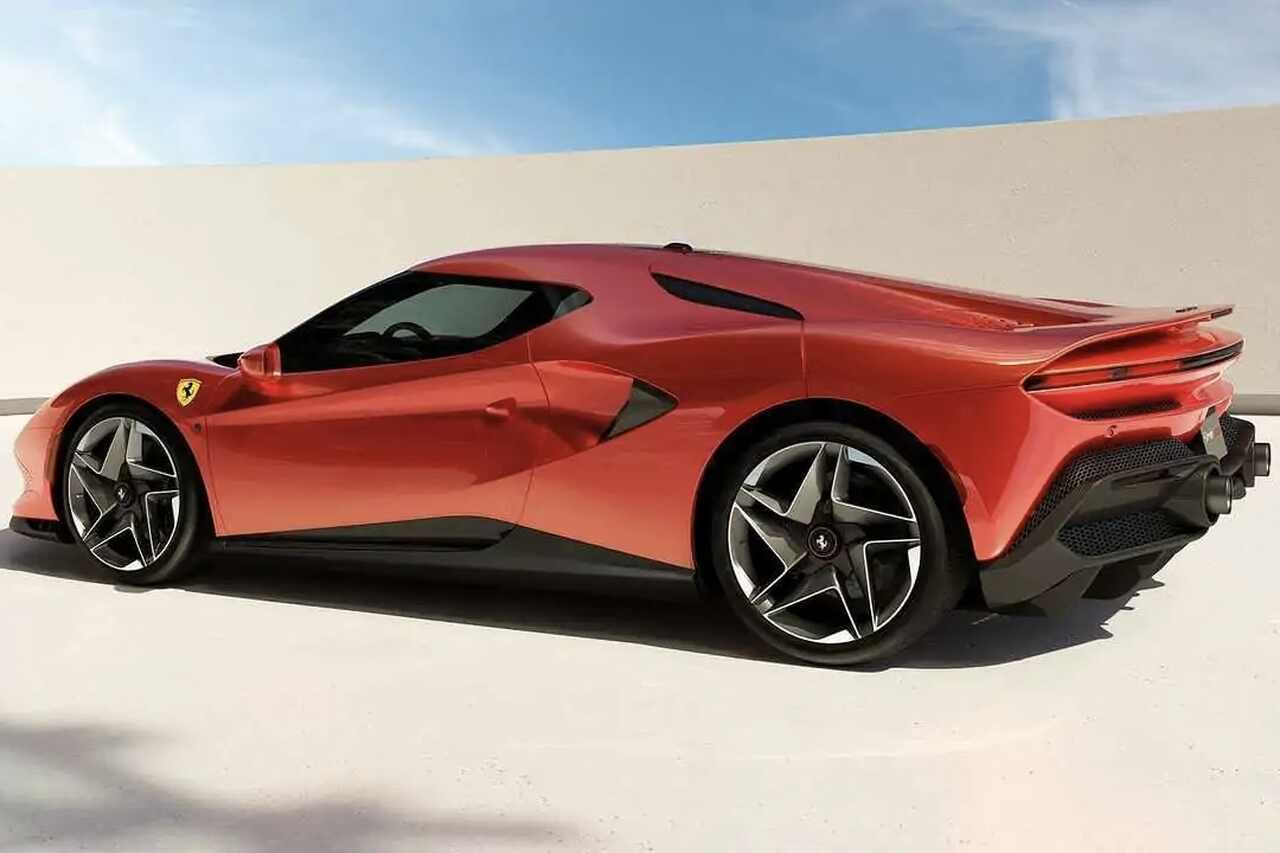
The benefits of this new trend can now be realized as the technology has become good enough. They include better aerodynamics, greater design freedom, fewer structural compromises, and no fragile glass panel at the rear.
While the Polestar 4 opened the door, Jaguar, Audi, and Ferrari are already exploring this idea in their own ways. Now it remains to be seen how many of these vehicles will reach production. But what we do know is that a future with cars without rear windows may be closer than we think.
Photos: Polestar / Audi / Jaguar / Ferrari. This content was created with the help of AI and reviewed by the editorial team.
